Renovation Tracker
Rescuing a rolling-renovation workflow from 24% adoption.
- Company
- Entrata
- Role
- UX Designer & Researcher
- Team
- PM · Research assistant · Designer
- Year
- July 2022
Context
Rolling renovations budget down to the unit level — hundreds of units, every penny tracked. Standard renovations budget at the property level. Same product, same users, very different drop-off.
By the numbers
- 24%
- Adoption of the rolling-renovation workflow
- 82%
- Drop-off after initial job setup
- 6 → 4
- Setup steps after redesign
Problem
01 / 04
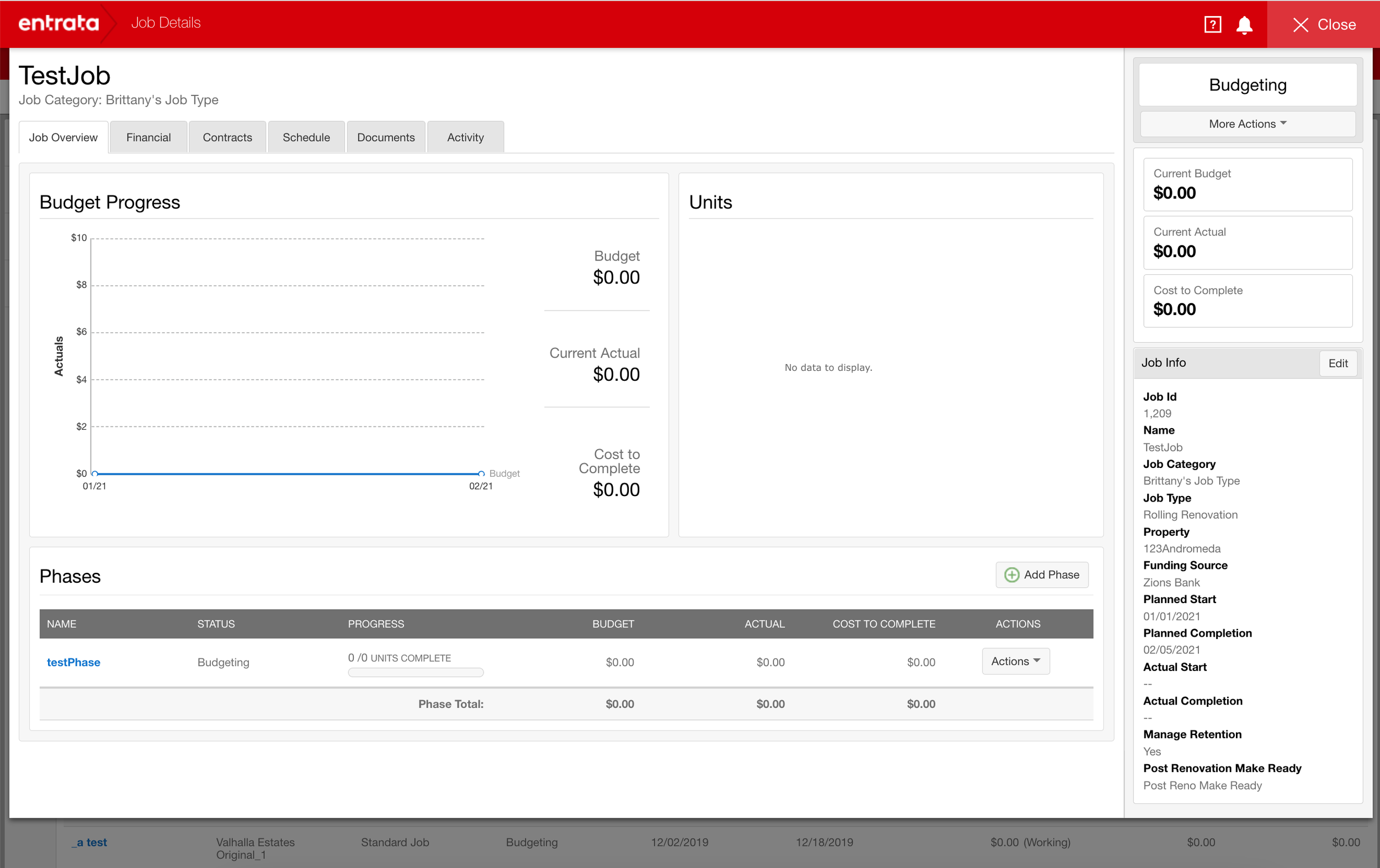
Only 18% of rolling jobs made it past setup. The Financials tab looked active but silently required Units, Tasks, and Unit Budget first. Standard jobs had no such gate.
Research
02 / 04
- →12 Fullstory sessions across rolling and standard setups
- →5 user interviews across 3 clients, with a usability task
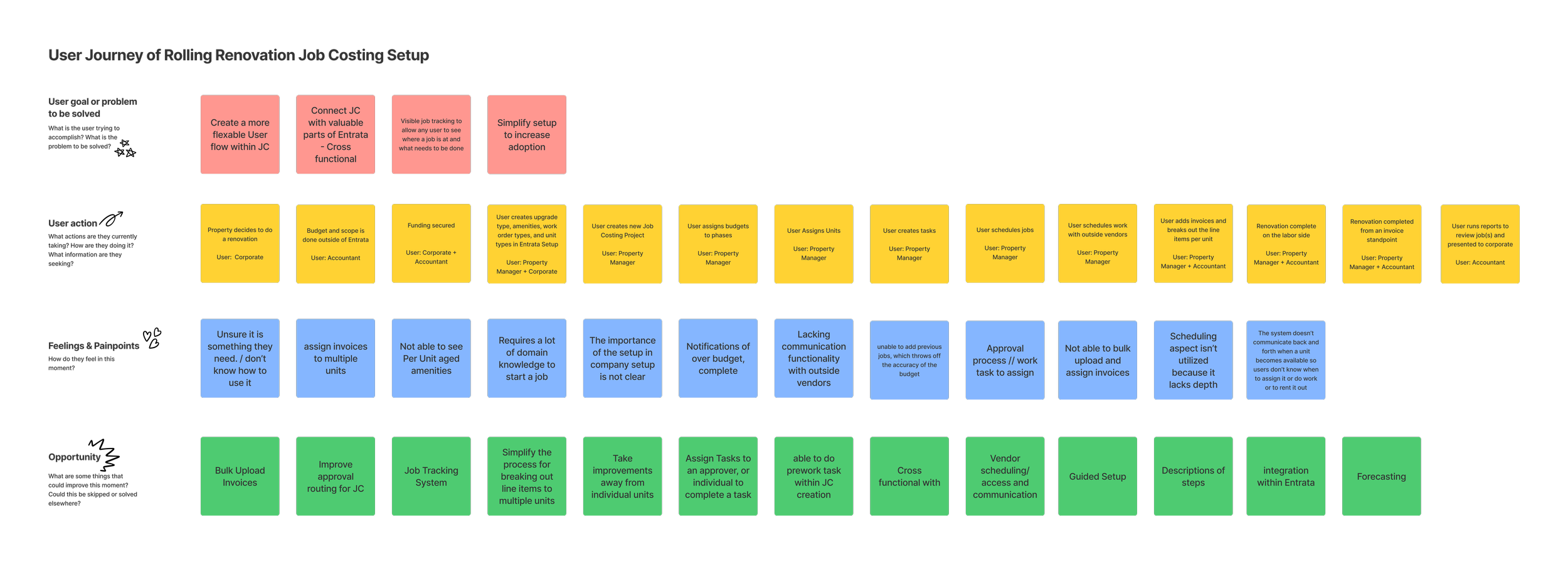
- →Journey map clustering frustration around the hidden dependency
Findings
03 / 04
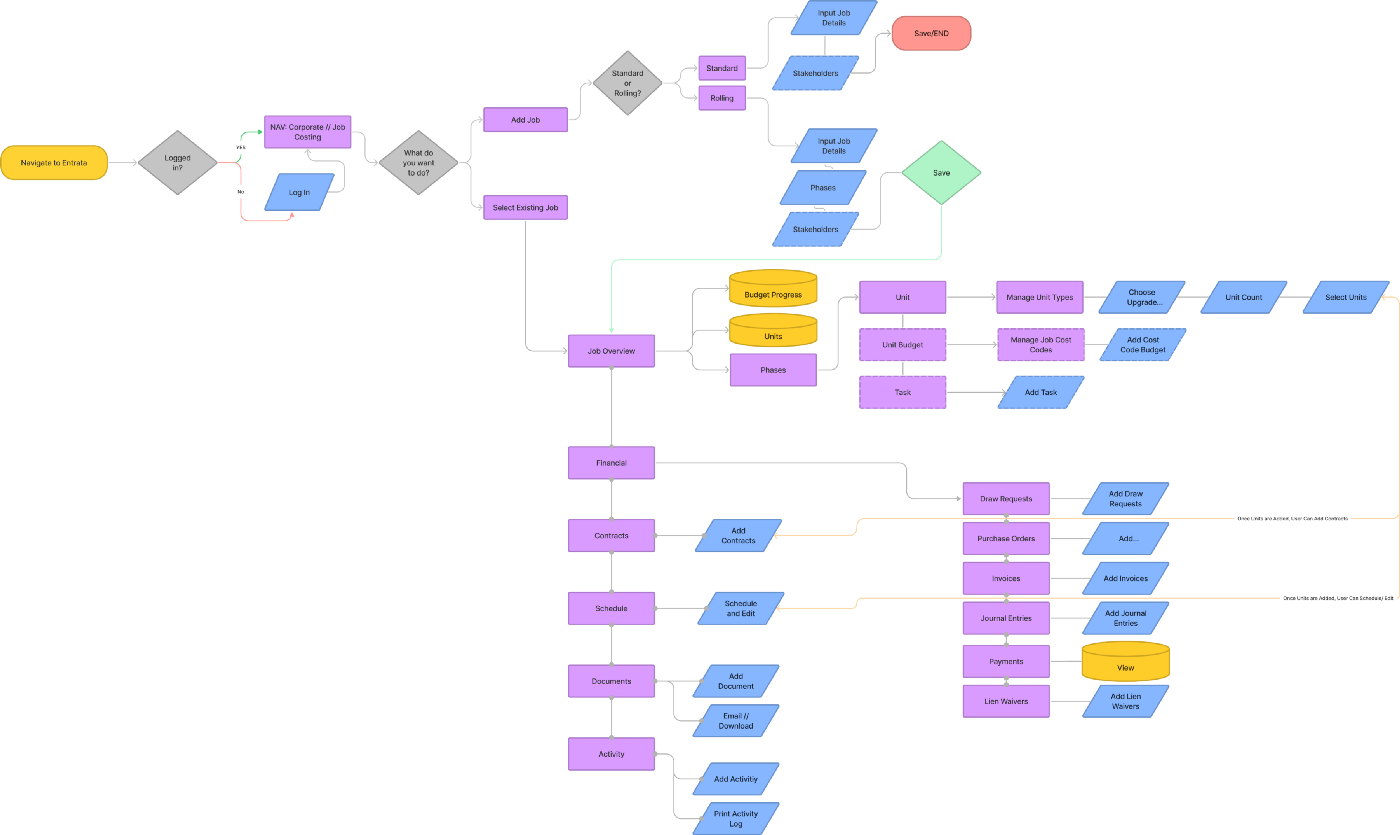
Standard-job users moved into Financials. Rolling-job users hit the silent gate and stalled. The existing flow was a web of branches and hidden dependencies causing paralysis the moment setup ended.
Design & testing
04 / 04
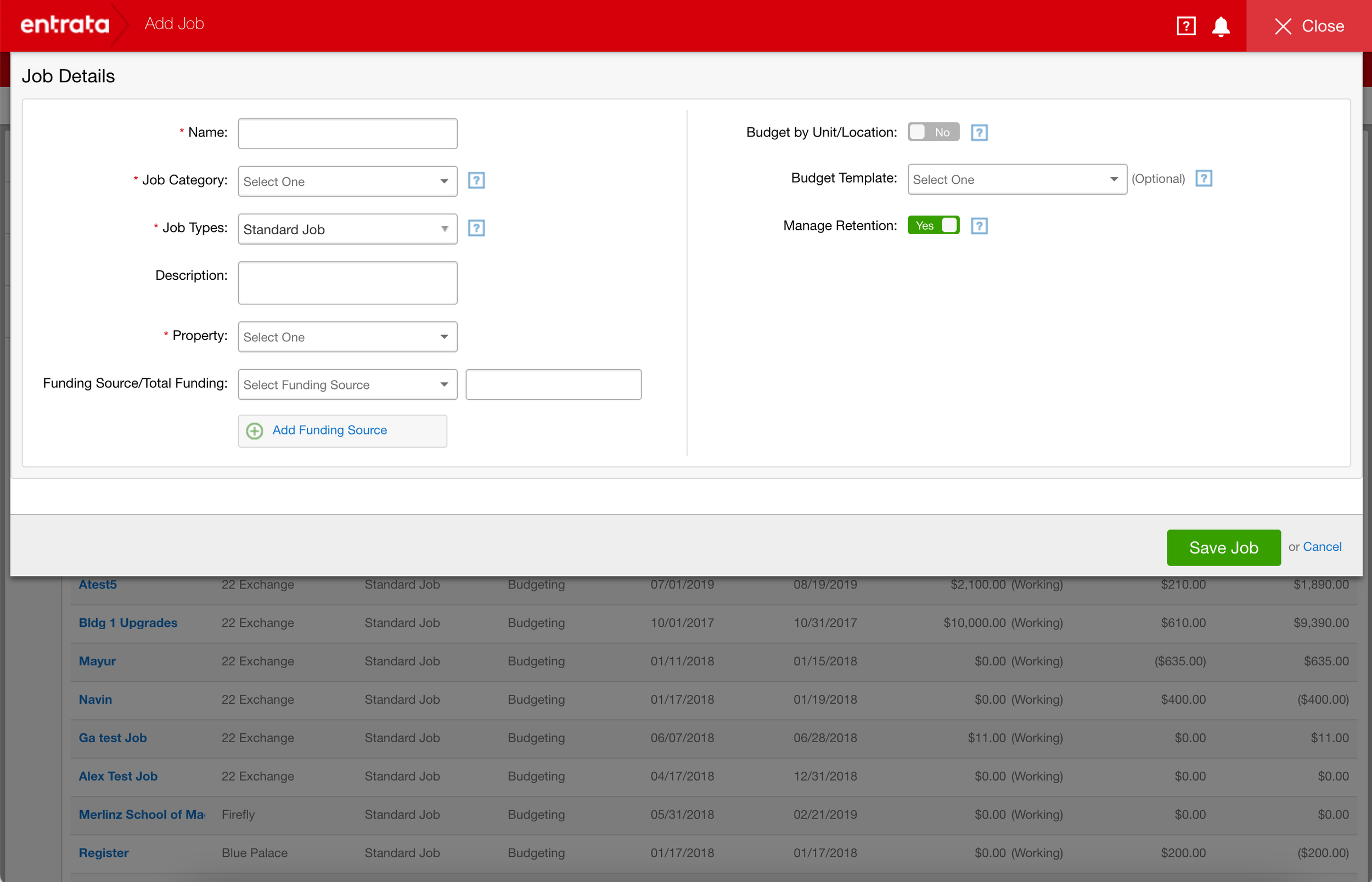
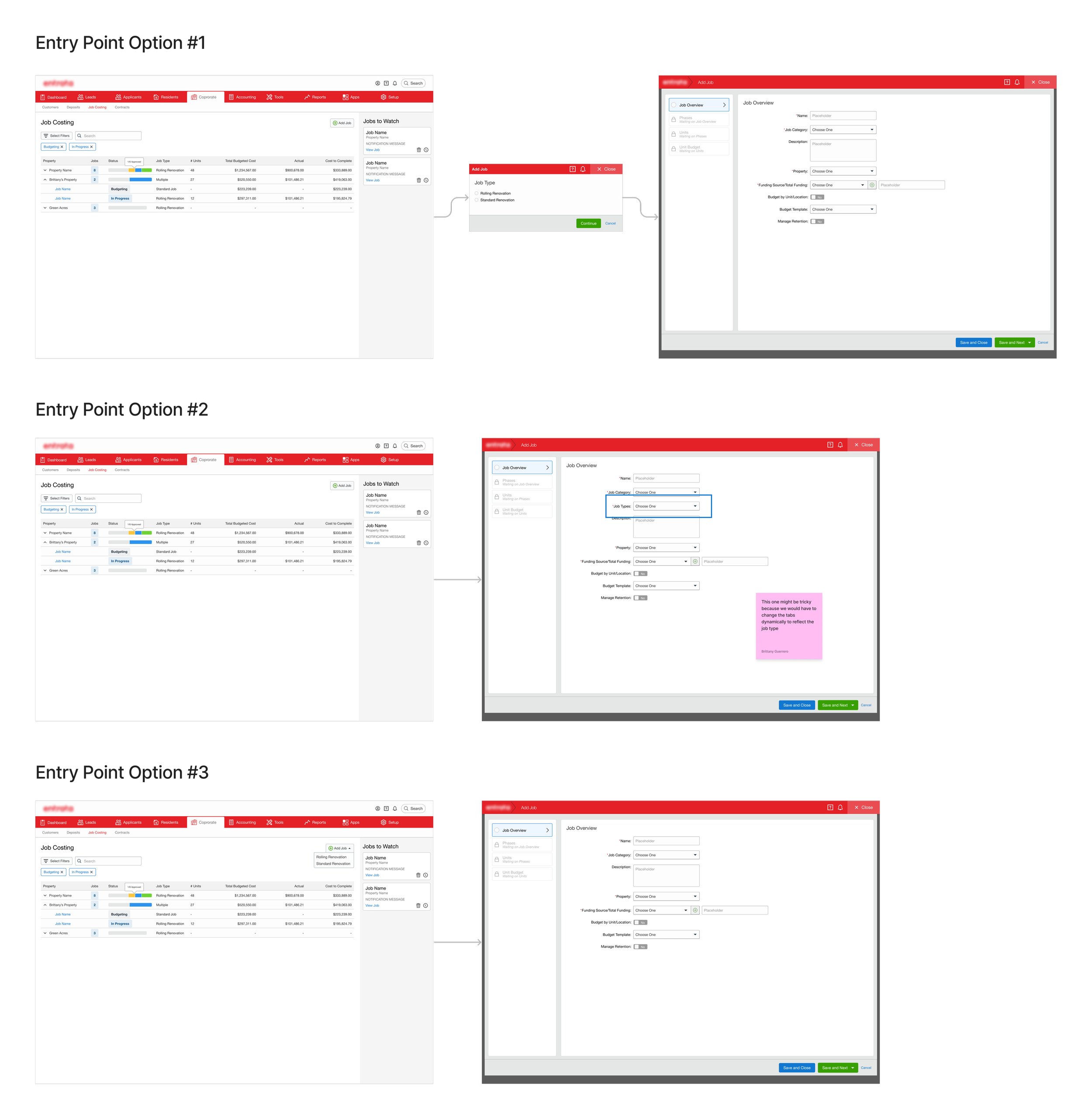
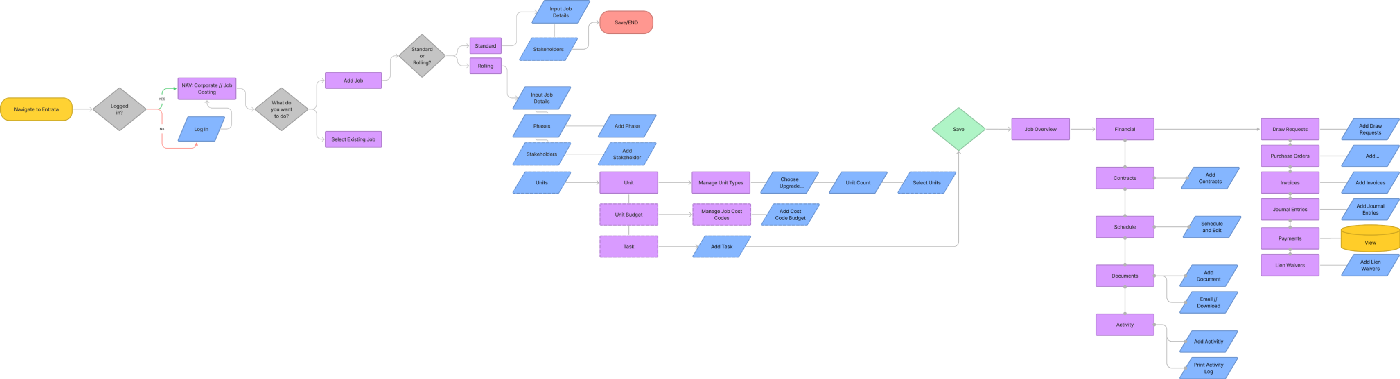
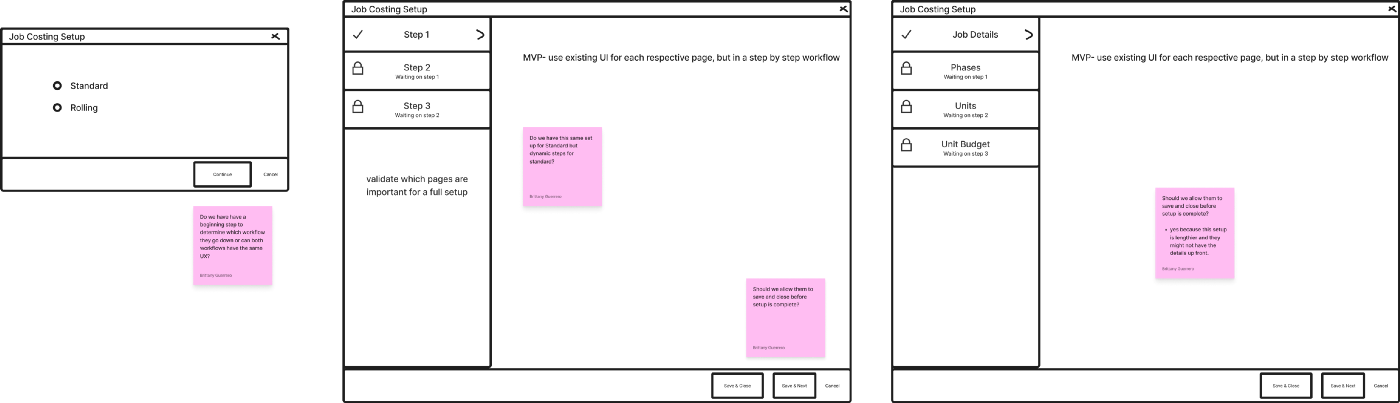
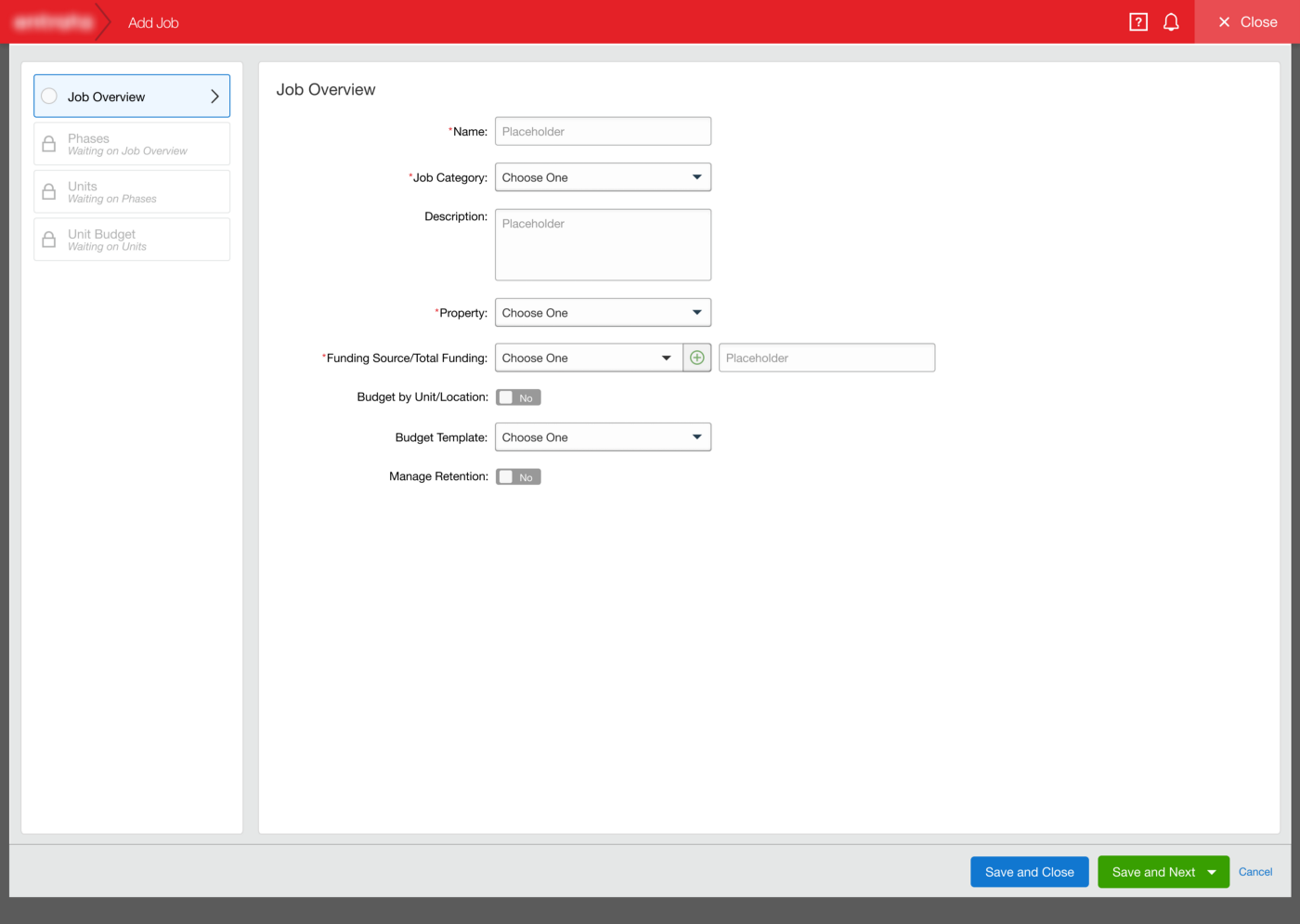
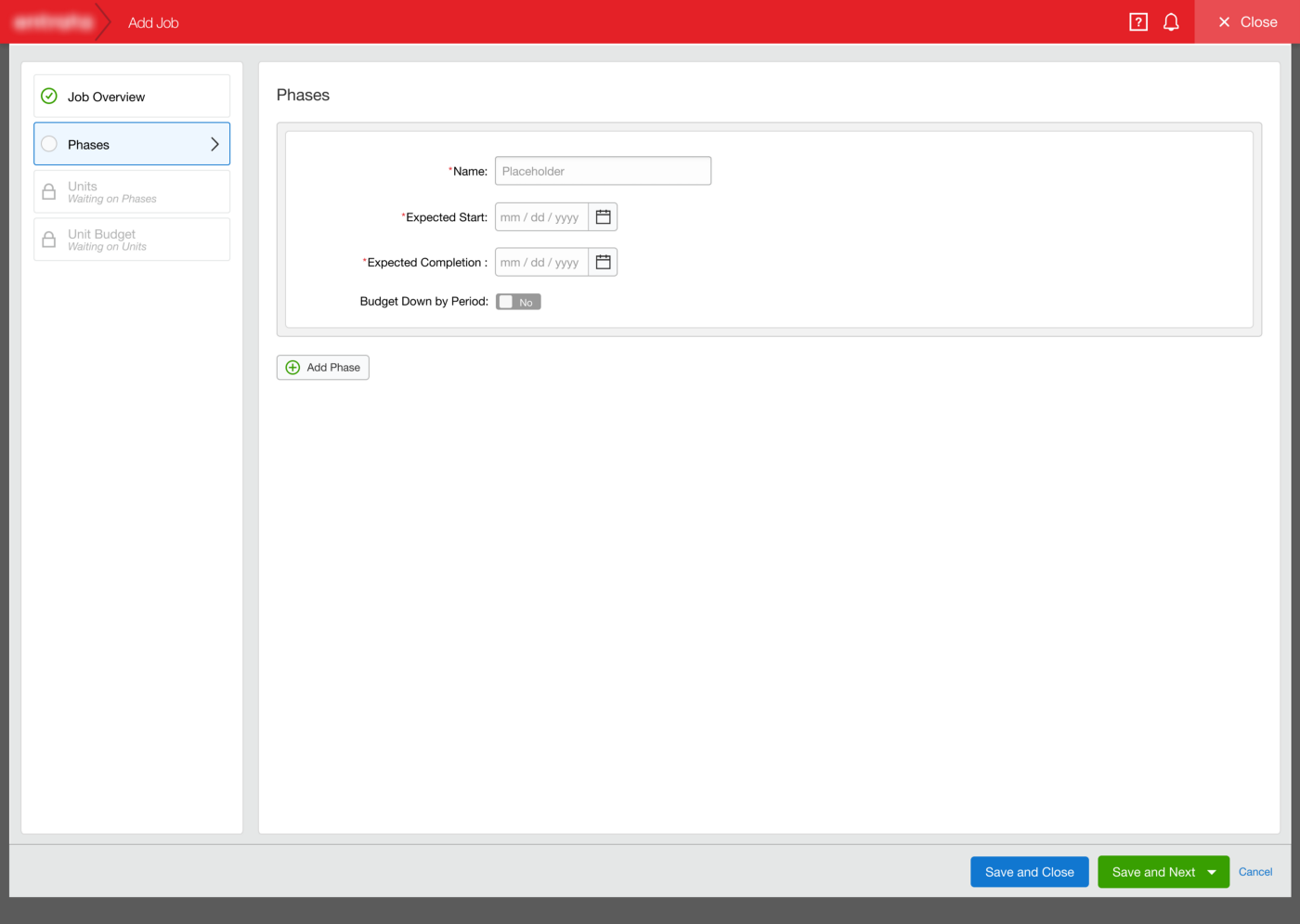
Three entry-flow concepts tested; Option #3 won. Setup trimmed from six tabs to four steps — Job Details → Phases → Units → Budget — with advanced functionality moved to the post-setup dashboard.
- →3 entry-flow concepts tested; Option #3 selected
- →Setup cut from 6 tabs to 4 essential steps
- →Hidden dependencies sequenced into setup
Selected artifacts
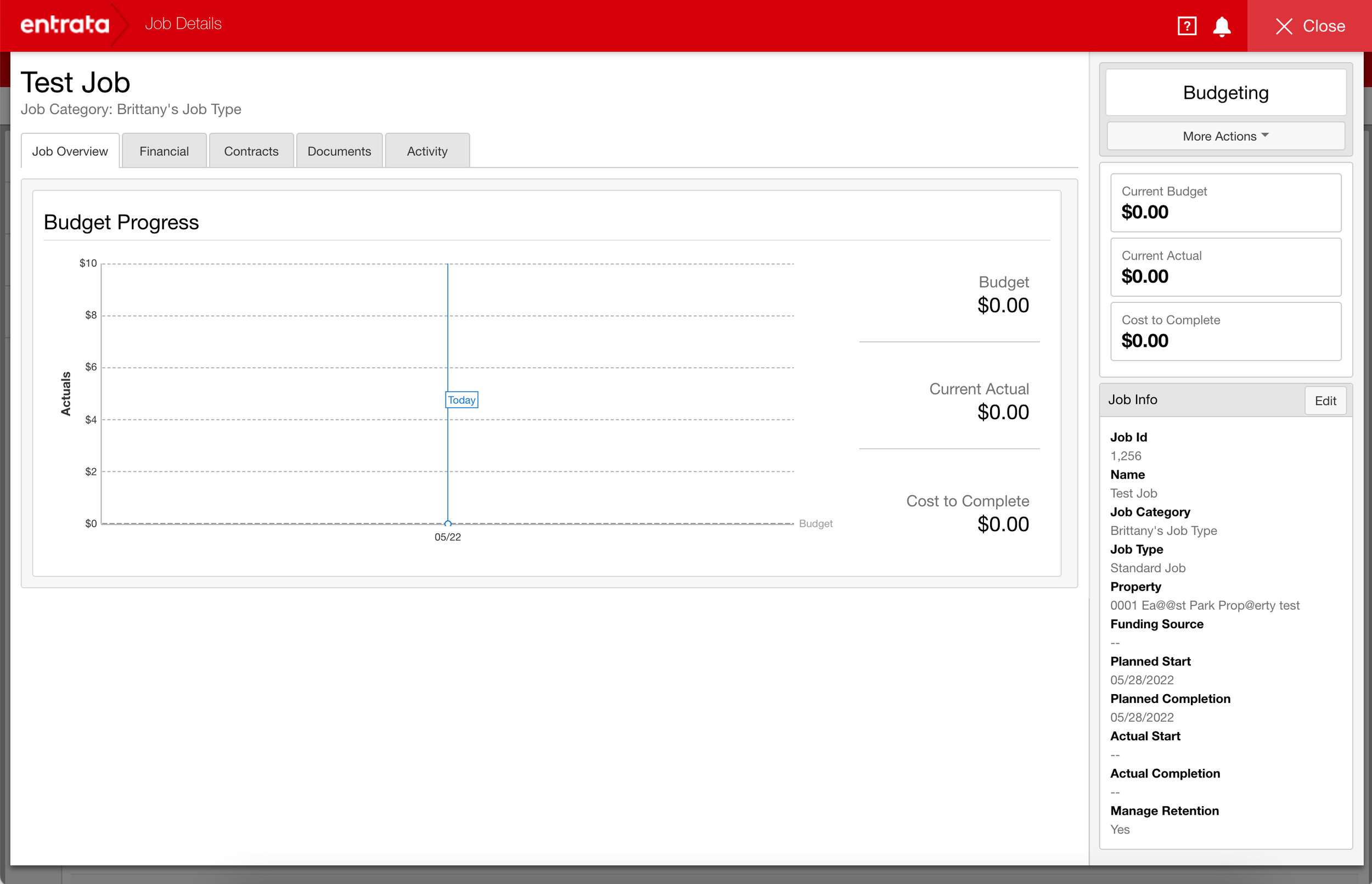
Research, exploration, and final screens from the work.
Impact
- 01
Eliminated the hidden dependencies behind the 82% drop-off
- 02
Cut minimum setup from six tabs to four sequenced steps
- 03
Validated workflow handed to engineering; baseline re-measuring post-launch
Reflection
"When a tab looks active but isn't, no amount of copy will rescue it. The fix was structural."